
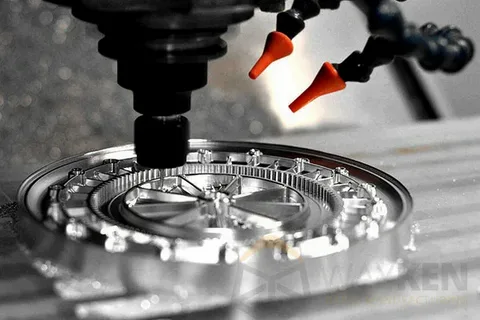
CNC machining prototyping has become one of the most reliable methods for producing high-precision metal and plastic parts across industries. From aerospace to automotive and consumer electronics, manufacturers rely on this process to test, refine, and validate product designs before full-scale production. The ability to quickly turn digital designs into physical prototypes ensures faster innovation cycles and reduced production risks.
In modern manufacturing, cnc machining prototyping bridges the gap between concept and production. It allows engineers to evaluate form, fit, and function using real materials such as aluminum, steel, ABS, nylon, and polycarbonate. This makes it an essential tool for both functional testing and visual validation of product ideas.
Understanding CNC Machining Prototyping in Modern Manufacturing
CNC machining prototyping refers to the process of using computer-controlled machines to produce precise prototype parts from metal or plastic blocks. These machines follow digital CAD models to cut, drill, and shape materials with extreme accuracy. Unlike traditional prototyping methods, CNC machining delivers production-grade quality even at the prototype stage.
This method is widely used because it ensures consistency, repeatability, and tight tolerances. Engineers prefer cnc machining prototyping when they need realistic testing conditions that mimic final production materials and processes.
Key points:
- Converts CAD designs into physical prototypes with high precision
- Works with both metal and plastic materials
- Suitable for functional and visual prototypes
- Offers tight tolerances and repeatability
- Reduces design validation time
Benefits of CNC Machining for Metal and Plastic Components
One of the biggest advantages of cnc machining prototyping is its versatility in handling different materials. Metals like aluminum, stainless steel, and titanium are commonly used for strength testing, while plastics such as ABS, PEEK, and nylon are ideal for lightweight and cost-effective prototypes. This flexibility allows engineers to test multiple design variations efficiently.
Another major benefit is the high level of accuracy and surface finish. CNC machines can produce complex geometries that closely match final production parts, reducing the need for additional finishing processes. This improves both speed and cost efficiency during product development.
Key points:
- Supports a wide range of metals and engineering plastics
- Produces high-precision and durable prototypes
- Reduces need for secondary finishing processes
- Enables fast design iteration and testing
- Improves product reliability before mass production
Applications of CNC Machining Prototyping Across Industries
CNC machining prototyping is widely used across industries where precision and performance are critical. In the automotive sector, it is used to develop engine components, housings, and custom fittings. In aerospace, it helps create lightweight yet strong parts that meet strict safety standards.
In consumer electronics, cnc machining prototyping is essential for designing enclosures, connectors, and internal structural components. Medical device manufacturers also rely on this process to develop surgical tools and implants with strict dimensional accuracy.
Key points:
- Automotive: engine parts, brackets, and housings
- Aerospace: lightweight structural components
- Electronics: device casings and internal parts
- Medical: surgical tools and implants
- Industrial equipment: machine components and fixtures
Material Selection in CNC Machining Prototyping
Choosing the right material is a critical step in cnc machining prototyping because it directly affects performance, durability, and cost. Metals are typically selected for strength, heat resistance, and mechanical performance, while plastics are chosen for flexibility, insulation, and lightweight properties.
Engineers often test multiple materials during prototyping to compare performance under real-world conditions. This helps identify the most suitable material before moving into full-scale production, reducing the risk of product failure.
Key points:
- Metals provide strength, durability, and heat resistance
- Plastics offer flexibility, insulation, and low weight
- Common metals: aluminum, steel, titanium
- Common plastics: ABS, nylon, PEEK, polycarbonate
- Enables performance testing under real conditions
CNC Machining Process and Design Optimization
The cnc machining prototyping process begins with creating a detailed CAD model, which is then converted into machine-readable instructions (G-code). The CNC machine follows these instructions to cut and shape the material with precision. This automated process ensures consistency and eliminates human error.
Design optimization plays a key role in improving efficiency and reducing manufacturing costs. Engineers often refine designs based on prototype testing results, adjusting dimensions, wall thickness, and structural features to improve performance and manufacturability.
Key points:
- Starts with CAD design and digital programming
- Uses automated machining for high accuracy
- Reduces human error and production inconsistencies
- Allows iterative design improvements
- Enhances manufacturability and cost efficiency
Conclusion
CNC machining prototyping for metal and plastic components plays a vital role in modern product development. It provides manufacturers with a fast, accurate, and reliable way to transform digital concepts into functional prototypes. By supporting a wide range of materials and complex designs, it helps engineers test performance, improve quality, and reduce production risks.
As industries continue to demand faster innovation and higher precision, cnc machining prototyping will remain an essential technology. Its ability to streamline design validation and optimize manufacturing processes ensures that businesses can bring better products to market with confidence and efficiency.