In 2026, businesses are operating in a highly dynamic and competitive environment where efficiency, transparency, and adaptability are more important than ever. With the rise of remote and hybrid work models, organizations are turning to Workforce Monitoring Software to gain better visibility into employee performance and streamline daily operations. At the core of these solutions lies effective workforce tracking, which helps companies manage time, productivity, and resources with precision.
This blog explores the top benefits of using Workforce Monitoring Software in 2026 and why it has become an essential tool for modern businesses.
1. Improved Productivity and Employee Performance
One of the most significant advantages of Workforce Monitoring Software is its ability to boost productivity. By leveraging real-time workforce tracking, managers can gain insights into how employees spend their time during working hours. This data helps identify productive patterns as well as areas where time may be wasted.
Instead of relying on assumptions, organizations can use actual performance data to guide improvements. Employees also become more conscious of their work habits, which naturally leads to increased focus and efficiency. Over time, this results in higher overall productivity and better output quality.
2. Accurate and Automated Time Tracking
Manual time tracking methods are not only time-consuming but also prone to errors. Workforce Monitoring Software eliminates these issues by automating the entire process. With advanced workforce tracking features such as automatic time logs, clock-ins, and activity monitoring, businesses can ensure that every minute is accurately recorded.
This level of accuracy is especially important for companies that bill clients based on hours worked or manage large teams. Automated systems reduce administrative workload and allow HR teams to focus on more strategic tasks.
3. Enhanced Accountability and Transparency
Transparency is a key factor in building trust within an organization. Workforce Monitoring Software creates a clear and open system where both employees and managers have access to performance data. Through consistent workforce tracking, employees understand what is expected of them, while managers can objectively evaluate performance.
This reduces the need for micromanagement and fosters a culture of accountability. When employees know their work is being tracked fairly and consistently, they are more likely to stay engaged and responsible.
4. Seamless Payroll Integration and Accuracy
Payroll processing is one of the most critical functions in any organization, and errors can lead to dissatisfaction and compliance issues. By integrating workforce tracking data with payroll systems, Workforce Monitoring Software ensures accurate salary calculations based on actual working hours, overtime, and leave.
This automation minimizes discrepancies, reduces manual intervention, and ensures employees are compensated fairly. As a result, HR teams can process payroll faster while maintaining accuracy and compliance with labor regulations.
5. Better Management of Remote and Hybrid Teams
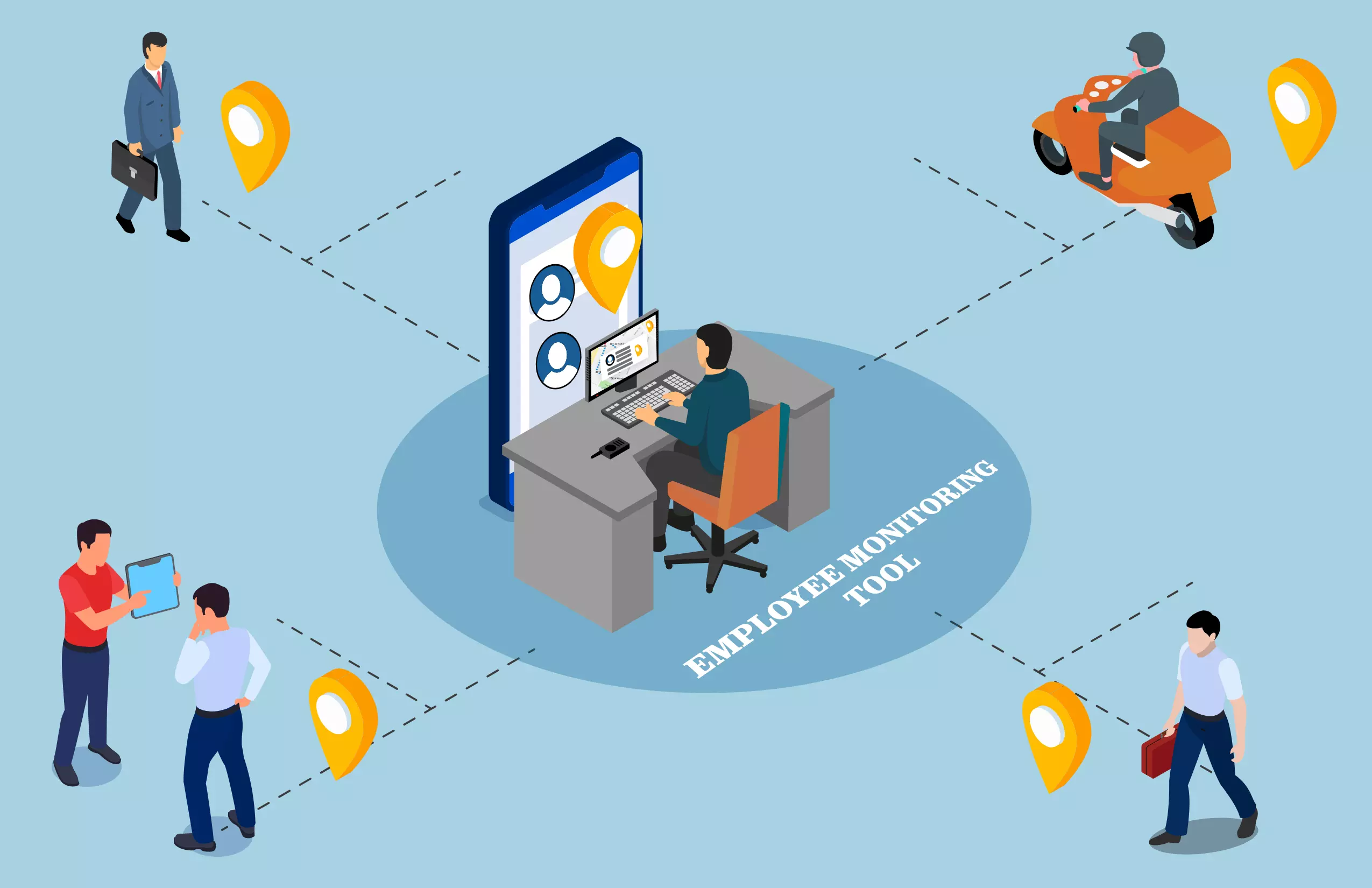
Remote and hybrid work models are no longer temporary trends—they are now standard practices in many industries. Managing distributed teams can be challenging without proper tools. Workforce Monitoring Software addresses this challenge by providing centralized visibility into employee activities, regardless of location.
With effective workforce tracking, managers can monitor progress, assign tasks, and ensure deadlines are met without constantly checking in. This allows organizations to maintain productivity while giving employees the flexibility to work from anywhere.
6. Data-Driven Decision Making
In 2026, data plays a crucial role in shaping business strategies. Workforce Monitoring Software provides detailed reports and analytics that help organizations make informed decisions. By analyzing workforce tracking data, companies can identify trends, measure performance, and optimize workflows.
For example, managers can determine which processes are time-consuming, which teams are performing well, and where improvements are needed. This data-driven approach leads to better planning, efficient resource allocation, and improved business outcomes.
7. Reduced Operational Costs
Cost optimization is a priority for every business. Workforce Monitoring Software helps reduce operational expenses by identifying inefficiencies and improving resource utilization. Through accurate workforce tracking, companies can ensure that employees are working on the right tasks at the right time.
By minimizing idle time and eliminating redundant processes, businesses can achieve more with fewer resources. This not only improves profitability but also enhances overall organizational efficiency.
8. Improved Compliance and Record Keeping
Compliance with labor laws and regulations is essential for avoiding legal issues. Workforce Monitoring Software helps organizations maintain accurate records of employee work hours, attendance, and overtime. These records are crucial for audits and compliance checks.
With reliable workforce tracking, businesses can ensure they adhere to labor policies and avoid penalties. Additionally, having well-organized records simplifies reporting and documentation processes.
9. Enhanced Employee Engagement and Development
While monitoring tools are often associated with oversight, they can also play a positive role in employee development. Workforce Monitoring Software provides insights that help managers identify strengths and areas for improvement.
By analyzing workforce tracking data, organizations can offer targeted training programs, set realistic goals, and provide constructive feedback. This encourages continuous learning and helps employees grow within the organization, leading to higher job satisfaction and retention.
10. Scalability for Growing Businesses
As businesses expand, managing a larger workforce becomes increasingly complex. Workforce Monitoring Software offers scalable solutions that can grow alongside the organization. Whether a company has a small team or a large workforce, effective workforce tracking ensures smooth operations at every stage.
This scalability allows businesses to maintain consistency in processes, even as they onboard new employees or enter new markets.
11. Real-Time Monitoring and Instant Insights
In fast-paced work environments, having access to real-time information is crucial. Workforce Monitoring Software provides instant updates on employee activities, project progress, and time utilization. With real-time workforce tracking, managers can quickly address issues, reassign tasks, and ensure projects stay on track.
This level of responsiveness improves efficiency and helps organizations adapt to changing demands.
12. Strengthened Security and Data Protection
Many Workforce Monitoring Software solutions include features that enhance data security. By tracking user activity and access, businesses can prevent unauthorized actions and protect sensitive information.
Workforce tracking also helps identify unusual patterns that may indicate security risks. This proactive approach ensures that company data remains safe and secure.
Conclusion
In 2026, the role of Workforce Monitoring Software extends far beyond simple tracking. It has become a powerful tool for improving productivity, ensuring accuracy, and enabling smarter decision-making. With advanced workforce tracking capabilities, businesses can effectively manage their teams, चाहे they are working remotely, in hybrid setups, or on-site.
From reducing operational costs to enhancing employee engagement, the benefits of Workforce Monitoring Software are undeniable. Organizations that embrace these solutions are better equipped to navigate modern workplace challenges and stay ahead in a competitive landscape.
As technology continues to evolve, investing in the right Workforce Monitoring Software will be key to building a more efficient, transparent, and future-ready workforce.