For months, I kept seeing them. At the airport, on morning runs, even at the grocery store. Those weird, slotted soles kept popping up like a sneaker trend that refused to fade. Friends swore by the comfort. Strangers called them “life-changing.” Me? I was skeptical. Then I borrowed a pair for a five-mile walk, and something clicked. Let me walk you through what I’ve learned about on cloud shoes—the good, the real, and why they might just ruin every other sneaker in your closet.
What Exactly Are On Clouds? (The Short Version)
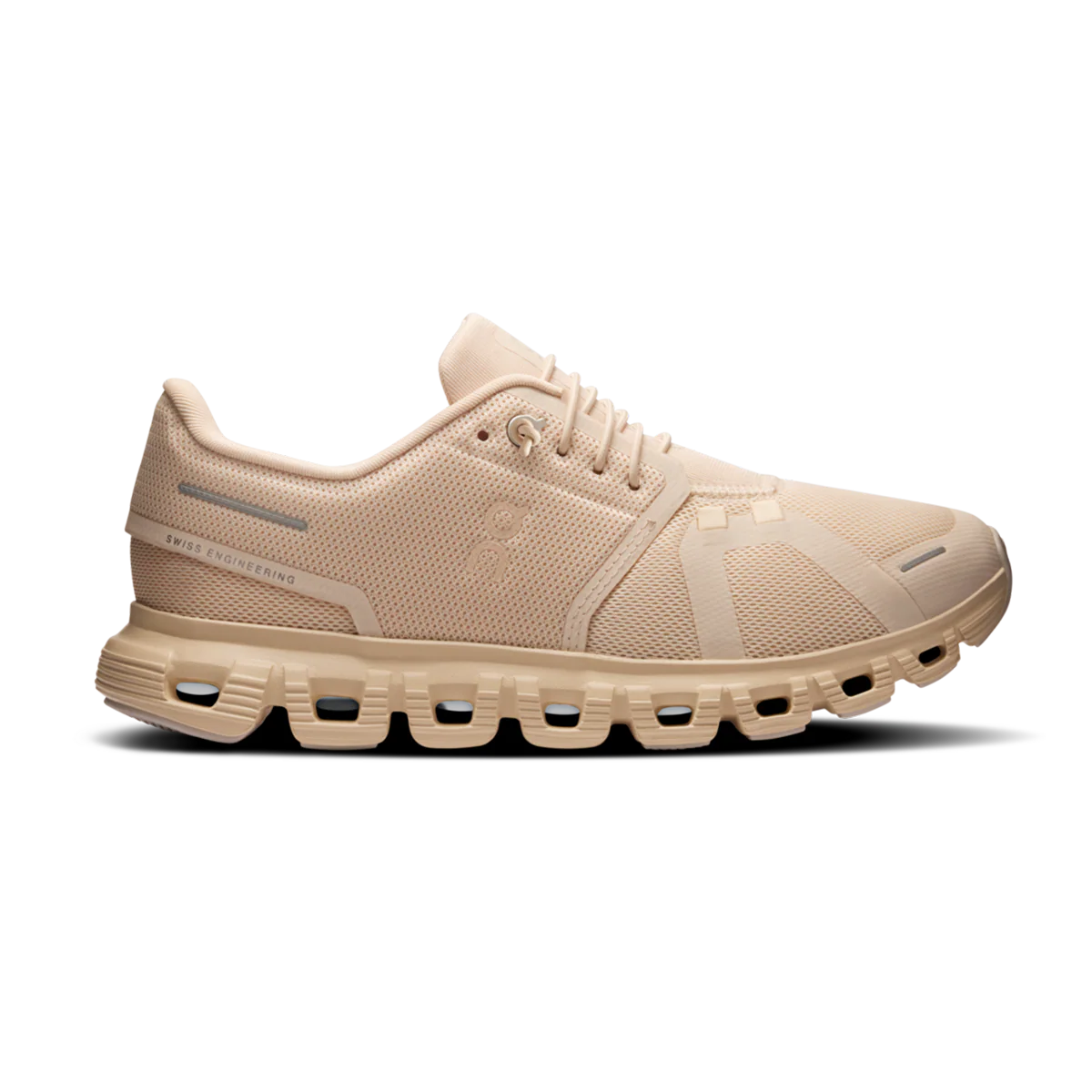
If you’re new to the brand, on clouds look different. The sole isn’t solid foam. Instead, you’ll see a series of hollow, tube-like pods running from heel to toe. That design isn’t just for looks. Those pods compress when you land and lock back into place when you push off. The idea? Softer landings, firmer takeoffs.
The Swiss engineers behind the brand call it “running on clouds and then on a track.” After logging over a hundred miles in my pair, I’d say that’s not just marketing fluff. But here’s the catch—they’re not for everyone. And that’s fine. Knowing why matters more than hype.
The Pods, The Holes, and The “Wow” Moment
Slip your foot into a pair for the first time, and you’ll notice two things immediately. First, the upper hugs your midfoot without squeezing. Second, step down, and that hollow sole gives way just enough to feel soft but not mushy. The first time I walked on gravel, I actually looked down. The stones didn’t poke through. The pods absorbed the chatter.
That’s the secret sauce of on cloud shoes technology. Most cushioned shoes feel like marshmallows—soft but unstable. These feel like a trampoline. Firm edges, give in the middle. Your foot doesn’t roll sideways. You just move forward.
Why Some Runners Swear By Them (And Others Don’t)
Here’s where honest talk matters. On clouds shine for certain people and certain distances. They’re fantastic for:
- Everyday walking – If you’re on your feet eight hours a day, your knees will thank you.
- Short to medium runs – Three to six miles feels effortless. The rebound keeps you fresh.
- Recovery days – When your legs are beat from a hard workout, these let you move without pounding pavement.
- Travel – They pack flat, dry fast if they get wet, and look clean enough for a casual dinner.
But—and this is a real but—if you’re a heavy heel striker or over 220 pounds, you might bottom out the pods. You’ll feel the hard plastic frame underneath. Also, forget trail running in mud. Those hollow tubes pack with dirt faster than you’d believe.
The Break-In Myth (What Actually Happens)
People online argue about whether on cloud shoes need breaking in. Here’s the truth: they don’t. The foam doesn’t soften over time like traditional sneakers. What changes is your foot. After about ten miles, you stop noticing the pods. Your stride adapts. You land more midfoot. The weirdness fades, and the ride becomes automatic.
I remember mile four of my first run thinking, “I don’t feel anything.” That’s the goal. No hot spots. No slapping. Just quiet, efficient motion.
Which On Cloud Model Actually Works for You?
Not all on clouds are the same. The brand has gotten smart about offering different flavors. Here’s the breakdown without the marketing fluff.
On Cloudswift – The City Dweller’s Pick
These have more padding around the ankle and a grippier rubber pattern on the pods. If you’re pounding concrete all day—commuting, errands, standing on train platforms—the Cloudswift takes the edge off. They’re also the easiest to slip on and off. Downside? Less breathable than the others. Fine for spring and fall. Hot for July.
On Cloudflow – For Actual Running
The lightest of the bunch. Less rubber, more mesh. You feel the ground more, but you also move faster. These are for tempo runs, 5K races, or anyone who thinks “cushion” is a dirty word. Don’t walk long distances in them. Your arches will ache. But for turnover and speed? Excellent.
On Cloudstratus – The Max Cushion Option
Double layer of pods. More stack height. These are for big miles or big bodies. If you bottomed out a standard pair of on clouds, try the Stratus. They’re heavier and clunkier, but they solve the firm-landing problem for heavier runners. Also great if you have plantar fasciitis. The extra material under the heel changes the impact angle.
The One Annoying Thing Nobody Talks About
Let me be real for a second. On clouds have a flaw. Small rocks. You will pick up pebbles. The pods are the perfect width to trap a tiny stone, and then you’ll hear that click-click-click with every step until you stop and flick it out. Does it happen every walk? No. Often enough to be mildly irritating? Yes.
The newer models have slightly narrower pods to fix this. The Cloudswift is better than the original Cloud. But if you’re obsessive about smooth, silent steps, keep a fingernail ready or stick to smooth pavement.
How to Know If On Cloud Shoes Are Worth It for You
After testing three different pairs, here’s my honest advice. Go to a store that carries them. Not a big box place where they sit on a shelf. Go somewhere with a treadmill or a return policy that lets you walk outside for five minutes.
Take your current sneakers off. Put the on cloud on. Jog in place. Then walk normally. Do you feel unstable? Put them back. Do you feel lighter? Like someone took weight off your feet? That’s the signal.
Also, ignore the price for a second. Yes, they cost more than Nikes or New Balances. But I’ve had mine for fourteen months of near-daily wear. The pods aren’t crushed. The rubber has worn evenly. The uppers still look new. My last pair of running shoes died at eight months. These are barely broken in.
Final Verdict From a Former Skeptic
I didn’t want to like on clouds. The design looked gimmicky. The brand felt like a Silicon Valley startup pretending to be Swiss. But after walking through airport terminals, running through humid summer mornings, and standing on concrete kitchen floors for hours, I get it. They’re not magic. They’re just smarter engineering.
The pods work. The rebound is real. And yeah, picking out a pebble every few weeks is a small price to pay for feet that don’t ache at the end of the day.
If you’ve been staring at those strange slotted soles wondering if the hype is real—try a pair somewhere with a good return policy. Worst case, you return them. Best case, you stop thinking about your shoes entirely. And that, right there, is the whole point.